injectable bpc 157 near me Peptides feline supplement What ICD‑10‑CM codes correspond Quantity:10 bottles
What ICD‑10‑CM codes correspond to an adult patient with type 2 diabetes mellitus, elevated vitamin B12, hyperlipidemia, and who is taking low‑dose aspirin, ergocalciferol, fish‑oil supplement, glimepiride, a lisinopril/hydrochlorothiazide combination ...
Caregivers and parents considering supplements for children with autism must have detailed, accurate information about the safety, effectiveness, and appropriate use of these products
feline supplement
Quantity:10 bottles
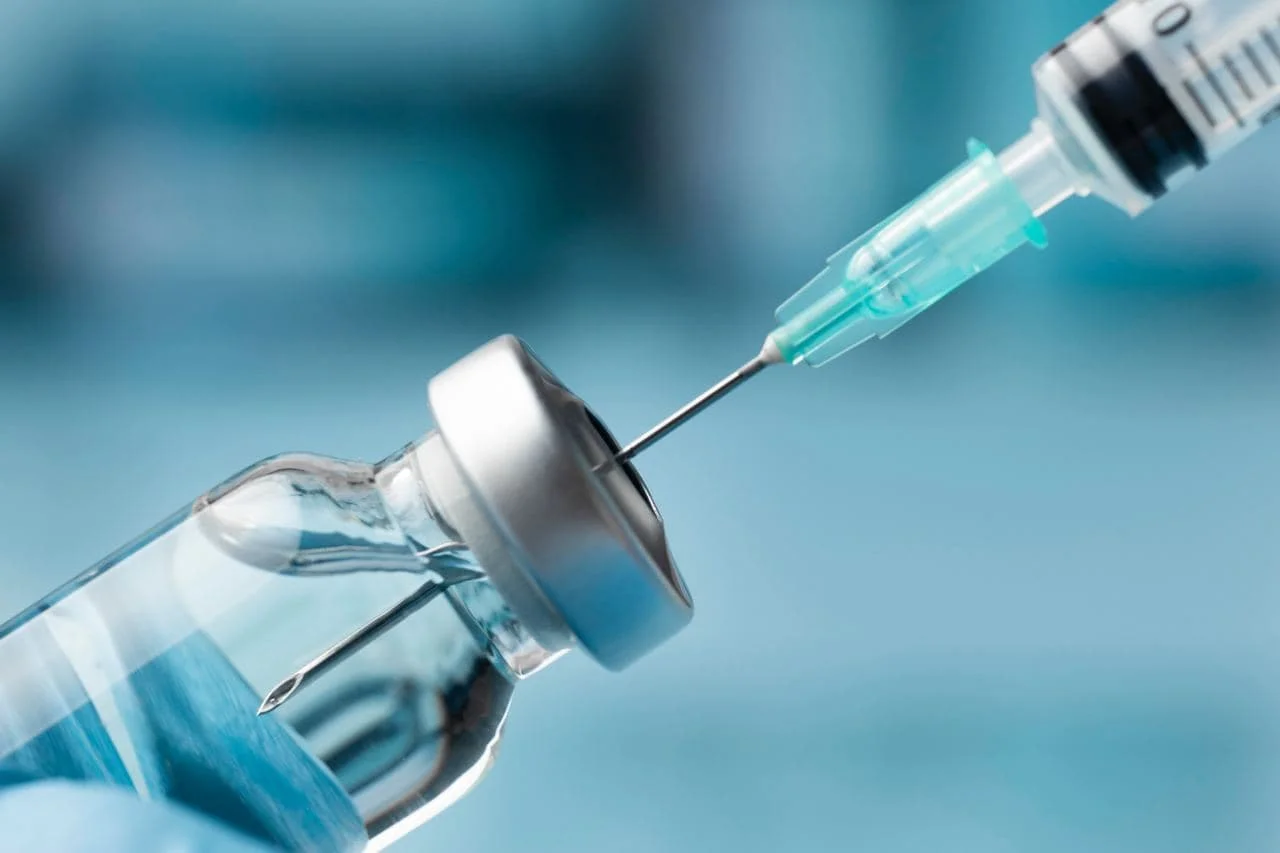
Proper mixing technique ensures accurate dosing and keeps peptide shelf life: Mixing Process: Use sterile water (0.9% benzyl alcohol) as mixing solution Add 2ml sterile water to 200mg vial for 100mg/ml level Add 5ml sterile water to 500mg vial for 100mg/ml level Inject water slowly down the side of the vial (not directly onto powder) Gently swirl vial in circular motion (do not shake vigorously) Allow powder to dissolve completely (may take 2-3 minutes) Inspect solution for clarity (should be clear with no particles) Dosing Calculations for 5 Amino 1MQ Injection: For 50mg dose from 100mg/ml solution: Draw 0.5ml For 75mg dose from 100mg/ml solution: Draw 0.75ml For 100mg dose from 100mg/ml solution: Draw 1.0ml Storage Requirements Proper storage of 5-amino-1MQ is essential for keeping peptide shelf life and potency: Unreconstituted Powder: Store at room heat (20-25°C / 68-77°F) Keep away from direct light and moisture Shelf life: 2-3 years when properly stored Can be refrigerated for extended shelf life Mixed Solution: Store refrigerated at 2-8°C (36-46°F) Protect from light (store in original vial or amber container) Do not freeze mixed solution Discard if solution becomes cloudy or contains particles Timing and Cycling Strategies Best timing of 5-amino-1MQ use aligns with natural circadian rhythms and body patterns